One-Pan Lemon Herb Roasted Chicken
Preparing a wholesome dinner on a busy weeknight often involves balancing time, flavor, and cleanup. One-pan meals have become a popular approach for home cooks seeking efficiency without compromising on taste. This article explores a method for roasting chicken with lemon and herbs, all in a single pan. The focus is on understanding the process, selecting ingredients, and considering the factors that contribute to a satisfying meal.
The concept behind this dish is straightforward: combine chicken pieces with aromatics and citrus, then roast them together. The result is a meal where the chicken absorbs the flavors of lemon and herbs, while the surrounding vegetables cook in the pan juices. This approach not only simplifies the cooking process but also minimizes the number of dishes used. For those new to one-pan cooking, this recipe offers a practical introduction.
The Essentials of One-Pan Cooking
One-pan cooking relies on the principle of cooking multiple components in a single vessel, allowing flavors to meld and reducing cleanup. The success of this method depends on proper heat management and ingredient selection. When roasting chicken, choosing bone-in, skin-on pieces can contribute to moisture and flavor, as the bone and skin help retain juices during cooking. Alternatively, boneless cuts may cook faster but can dry out if not monitored carefully.
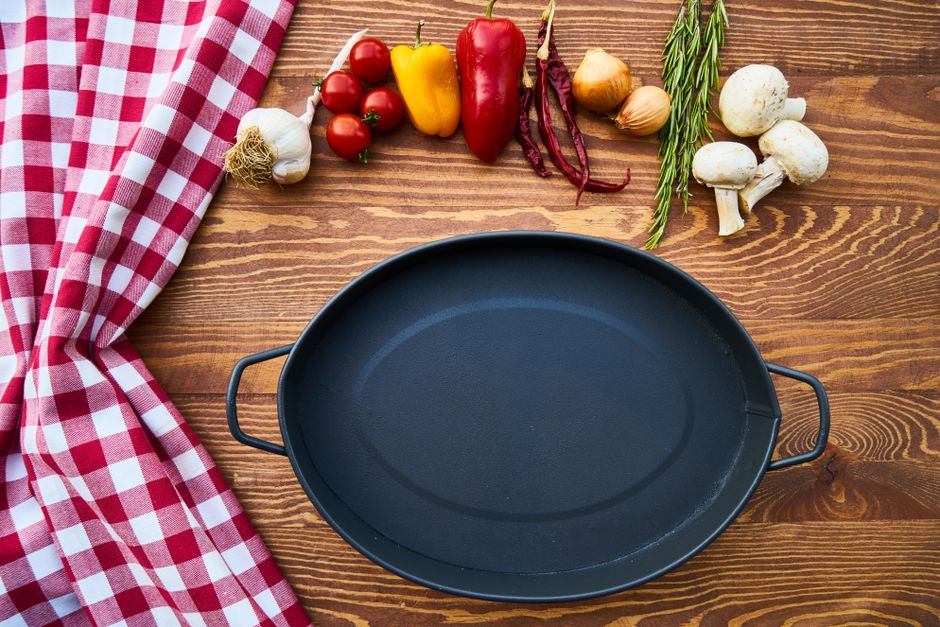
Vegetables such as potatoes, carrots, and onions are common additions, as they release moisture and absorb the savory drippings from the chicken. The arrangement in the pan matters: placing chicken on top of vegetables allows the fat to baste them as they cook. This technique also promotes even cooking, though it may require stirring vegetables midway. A good one-pan meal balances cooking times; denser vegetables may need a head start before adding quicker-cooking items.
Selecting and Preparing Ingredients
The quality of ingredients plays a significant role in the final dish. Fresh lemons are preferred for their bright, aromatic juice and zest. The zest contains essential oils that impart a stronger citrus flavor than juice alone. For herbs, common choices include rosemary, thyme, and oregano, each offering distinct earthy notes that complement chicken. Dried herbs can be used if fresh are unavailable, but they may be added earlier to rehydrate fully.
Chicken preparation involves trimming excess fat and patting the pieces dry before seasoning. Dry skin promotes browning and crispness. A simple seasoning of salt, pepper, and garlic powder can enhance the natural flavors without overpowering the herbs. For this recipe, the chicken is placed in a large baking dish, and lemon slices are tucked under the skin or around the pieces to infuse flavor during roasting.
Note: When zesting lemons, avoid the white pith, as it can be bitter. Use a fine grater for best results.
Step-by-Step Process
The method begins with preheating the oven to 425°F (220°C). While the oven heats, prepare the vegetables by cutting them into uniform pieces to ensure even cooking. In a large bowl, toss vegetables with olive oil, salt, pepper, and some chopped herbs. Spread them evenly in a single layer in a roasting pan. This even spread allows air circulation and promotes caramelization.
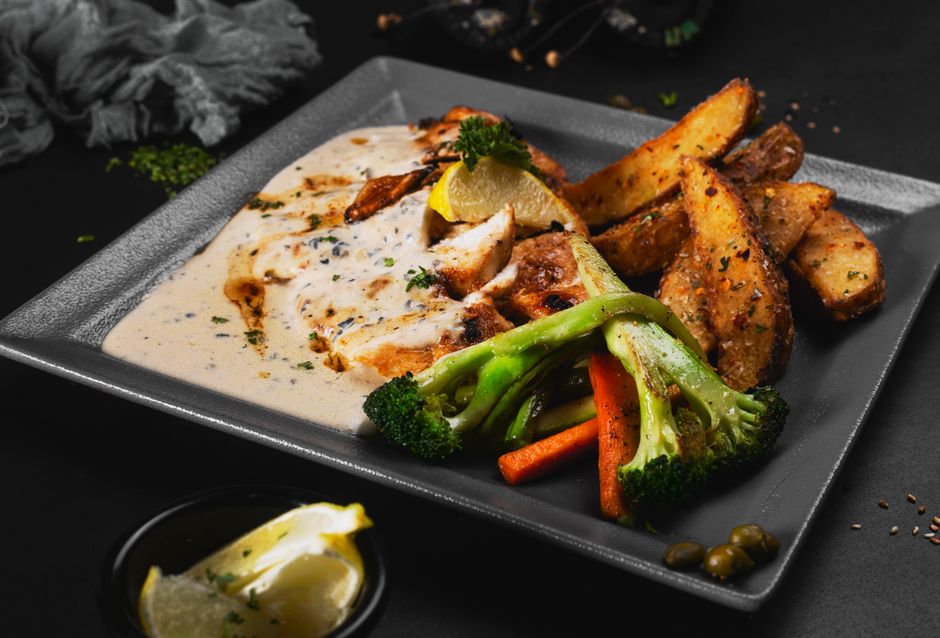
Next, season the chicken pieces with salt, pepper, and any additional spices. Arrange them over the vegetables, ensuring they are not overcrowded to allow browning. Squeeze fresh lemon juice over the chicken and vegetables, then scatter lemon zest and leftover herbs. For extra flavor, place a few lemon slices on top of the chicken. Roast for about 45 minutes, or until the chicken reaches an internal temperature of 165°F (74°C) and the skin is golden brown. If the vegetables are not tender enough, remove the chicken and continue roasting vegetables for a few more minutes.
Understanding the Cooking Process
Roasting involves dry heat that circulates around the food, causing the surface to brown and develop complex flavors. The high heat initially creates a seared crust, sealing in juices, while the interior cooks gently. During roasting, the chicken releases fat and juices, which mingle with the vegetables, creating a natural sauce. This drippings can be used to spoon over the finished dish for added moisture.
The internal temperature of the chicken is a critical indicator of doneness. Using a meat thermometer is recommended to ensure food safety, as visual cues alone can be misleading. The safe minimum internal temperature for chicken is 165°F (74°C) as recommended by food safety guidelines. It is important to allow the chicken to rest for about 10 minutes after removing from the oven; this allows the juices to redistribute, resulting in moister meat.
The timing may vary based on the size and thickness of chicken pieces, as well as the oven’s calibration. Therefore, checking frequently toward the end of the cooking time is advisable. Basting is not necessary, but some may choose to spoon pan juices over the chicken halfway through to enhance flavor, although this can reduce crispness.
Adapting the Recipe to Preferences
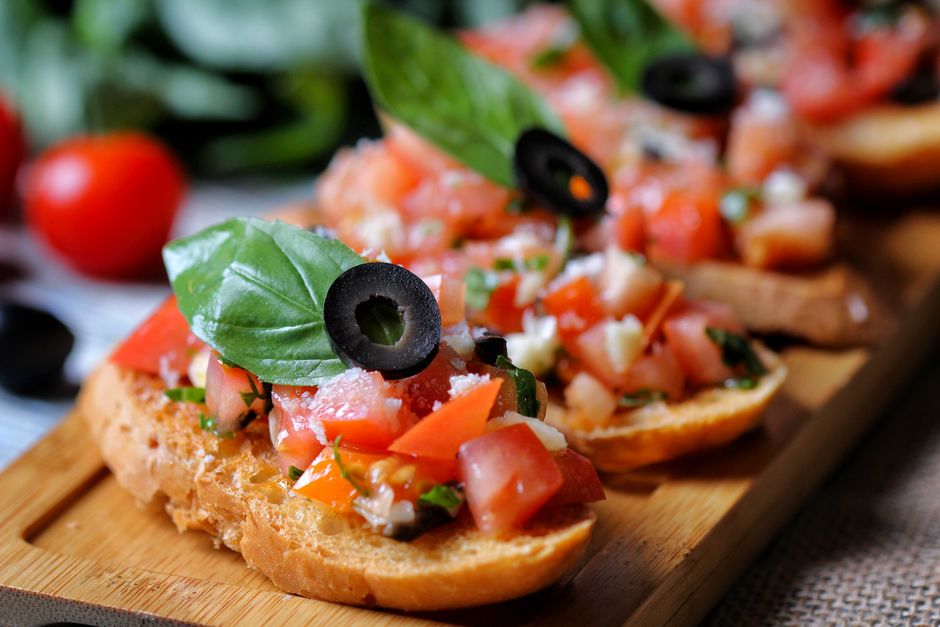
This recipe serves as a template that can be customized based on dietary preferences and available ingredients. For a lower-carb option, replace potatoes with low-starch vegetables like zucchini or bell peppers. For a more Mediterranean flair, add olives, cherry tomatoes, and a sprinkle of feta after roasting. The choice of herbs can be adjusted to what is fresh, such as basil or sage.
The amount of lemon can be varied to suit taste, but it is balanced by the richness of the chicken. Additionally, the recipe can be scaled up for larger groups by using a larger pan or extending the roasting time. It is important to maintain a single layer of ingredients to ensure even cooking. This dish pairs well with a side salad or crusty bread to soak up the flavorful juices.
Serving and Storage Considerations
Once the chicken and vegetables are cooked, they can be served directly from the pan, which reduces cleanup further. Portioning the food onto plates is typical, but family-style serving allows guests to choose their preferred pieces. Leftovers should be stored in an airtight container in the refrigerator and consumed within three to four days for safety. Reheating in an oven or toaster oven can help maintain texture, while microwaving may result in soggy skin.
For meal prep, the cooked dish can be divided into individual portions and frozen for later use. When freezing, it is advisable to cool the food completely before freezing to avoid condensation. Thawing in the refrigerator overnight before reheating is recommended to preserve quality.