Choosing the Right Knife: A Home Cook’s Guide
Selecting the appropriate kitchen knife for home cooking involves more than picking the most visually appealing option from a display. A well-chosen knife can influence the efficiency and enjoyment of food preparation, while a mismatched blade may lead to frustration or safety concerns. This guide aims to provide a neutral overview of knife categories, size considerations, and maintenance practices to assist home cooks in making informed decisions based on their individual cooking habits and preferences.
Understanding the fundamental differences between knife types, blade materials, and handle designs allows for a more tailored approach to building a kitchen toolkit. While professional chefs often rely on a specific set of knives, home cooks may benefit from a more curated selection that aligns with their typical tasks. The following sections outline common knife varieties, their intended uses, and factors to contemplate when adding to a collection, with attention to both functionality and long-term care.
Key Knife Types for Home Cooking
Familiarity with common knife categories provides a foundation for selecting blades that match specific culinary tasks. Each type is designed with a particular purpose, though many can serve multiple functions with varying degrees of ease. A typical home kitchen might include a chef’s knife, a paring knife, and perhaps a serrated bread knife as a starting point.
The chef’s knife, often 8 to 10 inches in length, is considered a versatile workhorse for chopping, slicing, and dicing. Its curved blade allows for a rocking motion, which can expedite tasks like mincing herbs or vegetables. For those who prepare larger quantities, a longer blade may offer more leverage, while a shorter version provides greater control. The paring knife, with its small 3 to 4-inch blade, excels in precision tasks such as peeling fruits, deveining shrimp, or removing seeds. Its compact size allows for delicate maneuvers that a larger knife cannot handle effectively. A bread knife with a serrated edge is another useful addition, particularly for slicing crusty loaves without crushing the interior. The saw-like teeth grip the surface and cut through the crumb cleanly.
Other knives, such as utility knives or boning knives, may serve niche needs depending on cooking style. A utility knife, typically 4 to 7 inches, fills the gap between a chef’s knife and a paring knife, suitable for moderately sized tasks. Boning knives, with their narrow, flexible blades, are designed for separating meat from bones. Home cooks who frequently work with poultry or fish might find such a knife beneficial. Evaluating one’s typical meal preparation tasks can guide the selection of these additional types.
Blade Materials and Construction
Blade material influences a knife’s sharpness retention, durability, and required maintenance. Common options include stainless steel, high-carbon stainless steel, and ceramic. Stainless steel resists corrosion and is relatively low-maintenance, although it may not hold an edge as long as some other materials. High-carbon stainless steel offers a balance between edge retention and rust resistance, but it may require more attentive care to avoid discoloration. Ceramic blades are extremely hard and maintain sharpness well, but they are brittle and can chip if used on hard surfaces or twisted during cutting.
Beyond the blade itself, the construction method—whether stamped or forged—affects weight, balance, and often price. Forged knives are typically heavier and have a full tang, meaning the metal extends through the handle, contributing to balance and durability. Stamped knives are cut from a sheet of steel and are generally lighter and less expensive. For home cooks, either type can perform adequately, and personal preference for weight and feel plays a significant role.
Selecting the Right Sizes
Knife size selection should be based on hand size, cutting surface area, and intended tasks. While a chef’s knife commonly ranges from 8 to 10 inches, smaller individuals or those who prefer precision may opt for a 6-inch version. Larger hands or frequent bulk prep may benefit from a 10-inch blade. It is advisable to physically handle a knife before purchasing, if possible, to assess the grip and weight distribution.
Paring knives are available in lengths from 2.75 to 4 inches, with the smaller size offering greater precision and the larger providing a bit more cutting capacity. When choosing a paring knife, consider the tasks it will serve: peeling and trimming call for a shorter, nimble blade, while tasks like slicing small fruits may benefit from a slightly longer edge. Similarly, bread knives come in lengths from 6 to 10 inches, with longer versions suited for larger loaves. For a typical household, a 9-inch bread knife is a reasonable default.
Handle size and shape also affect usability. Handles that are too thick or too thin can cause discomfort over extended use. Many brands offer ergonomic designs that accommodate various grips. It is important to remember that the size that feels right for one person may not suit another, so prioritizing personal comfort is key.
Caring for Your Knives
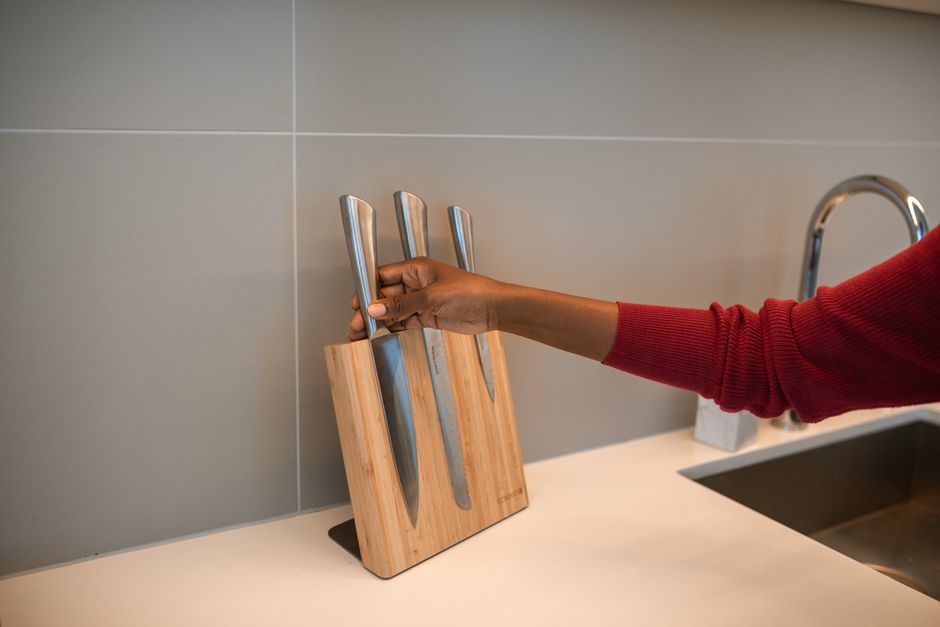
Proper maintenance extends the lifespan of a knife and ensures consistent performance. Hand washing with warm, soapy water is generally recommended, followed by immediate drying to prevent moisture-related issues. Dishwashers can cause blades to dull faster and may damage handles, so they are best avoided for high-quality knives. After washing, storing knives in a block, on a magnetic strip, or with blade guards protects both the blade and user.
Regular honing with a honing rod helps maintain the edge alignment between sharpening sessions. Honing does not sharpen the blade but rather realigns the microscopic teeth, which can be done weekly or monthly depending on usage. Professional sharpening or using a whetstone is necessary when honing no longer restores sharpness. The frequency of sharpening depends on the blade material and cutting habits; a knife used daily may require sharpening a few times a year. Cutting on wooden or plastic cutting boards is gentler on edges than glass or stone surfaces.
Blockquote:
The longevity of a knife depends on consistent care and appropriate use, not solely on the initial quality of the blade.
Beyond cleaning and sharpening, avoiding certain practices can preserve blade integrity. Using a knife to cut through bones, frozen foods, or on hard surfaces can cause chips or bends. Instead, using the appropriate tool for such tasks is advisable. Additionally, storing knives loosely in a drawer can lead to nicks and accidental cuts; using a dedicated storage solution is safer.
Building a Balanced Knife Set
For home cooks, purchasing a full set of knives is not always necessary, nor is it always the most cost-effective. A curated collection of two to three quality knives often suffices for most cooking tasks. In addition to a chef’s knife, paring knife, and bread knife, a home cook might consider a utility knife if they frequently tackle medium-sized jobs. Alternatively, a set may be justified if the included knives match the cook’s style and fill gaps in their current collection.
When evaluating individual knives, factors such as balance, weight, and handle comfort are more critical than brand names. The knife should feel like an extension of the hand, with the weight distributing evenly between blade and handle. It is advisable to test knives in store, if possible, by performing a few cuts on a soft vegetable or simply holding it for a prolonged period. Online reviews can provide insights, but personal feel is paramount.
Ultimately, the process of selecting knives is a personal journey that evolves with cooking experience. As skills develop, preferences may shift, and additional knives may become useful. Starting with versatile pieces and building gradually allows for a thoughtful approach to assembling a knife set that meets individual needs.